Table of contents
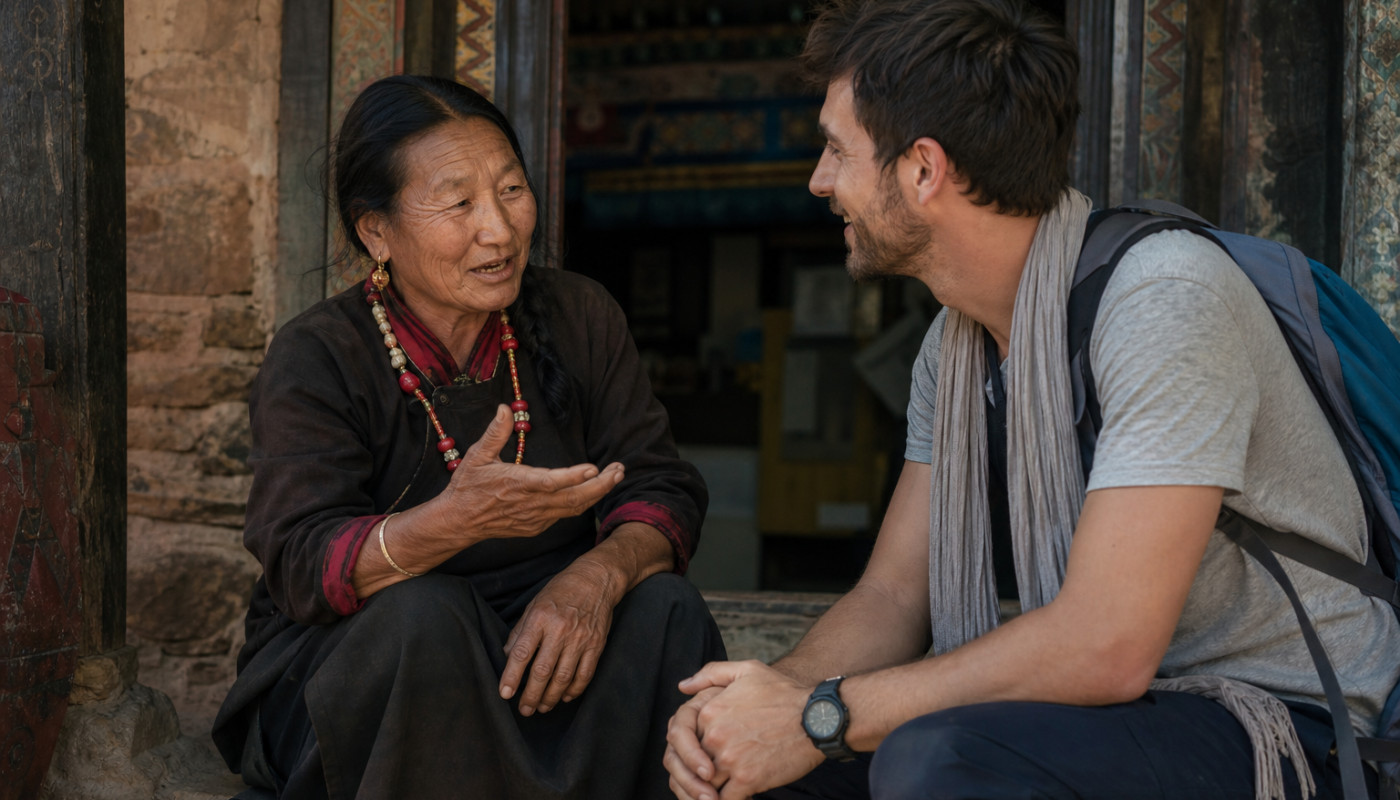
What makes a trip stick in your mind years later, the hotel, the photos, or the moment you did something you had never dared to try? Across the travel industry, the fastest-growing segment is no longer just “where to go” but “what to do,” with travellers booking experiences earlier and spending more on activities that shape the story of their break, whether it is a dawn hike above the clouds or a cooking class in a crowded market, and the numbers show that experiences are now driving itineraries.
Experiences now drive the travel budget
Travel used to be organised around transport and accommodation, and activities were the optional extra you figured out on arrival, yet that hierarchy is shifting fast, and the reason is measurable. Travel platforms and tourism boards have tracked a steady rise in the share of spending allocated to experiences, and not only in luxury travel, because travellers increasingly see activities as the core value of the trip, the part that cannot be replicated at home, and the part that justifies the time off work. Skift’s research has repeatedly pointed to the “experience economy” as a structural force in tourism, and the UN World Tourism Organization has highlighted how demand has moved toward more specialised, themed travel, from gastronomy and wellness to adventure and nature.
The trend is also visible in the booking behaviour itself. Tripadvisor has reported that a majority of travellers are willing to spend more on activities to make a trip memorable, and the company has described experiences as one of the strongest drivers of repeat usage on its platform; on the supply side, destinations are repositioning around signature experiences rather than generic sightseeing. The logic is simple and ruthless, and it works in every market: a city can copy another city’s museum opening hours, but it cannot copy your sunrise on a ridge, your first dive, your first glacier walk, or the local guide who turned a landscape into a story you could retell.
This shift is changing how itineraries are built, especially for short breaks where time is scarce and travellers want a guaranteed “peak moment.” Many now lock in a handful of cornerstone activities, then pick hotels and neighbourhoods that reduce friction, meaning proximity to trailheads, tour departures, or cultural venues matters more than room size. For families and groups, it is even more pronounced, because a well-chosen activity becomes the social glue of the trip, and it also lowers the risk of disappointment: you may not remember the taxi queue, but you will remember the kayak trip if it was planned well, run safely, and delivered what it promised.
City breaks win with hands-on culture
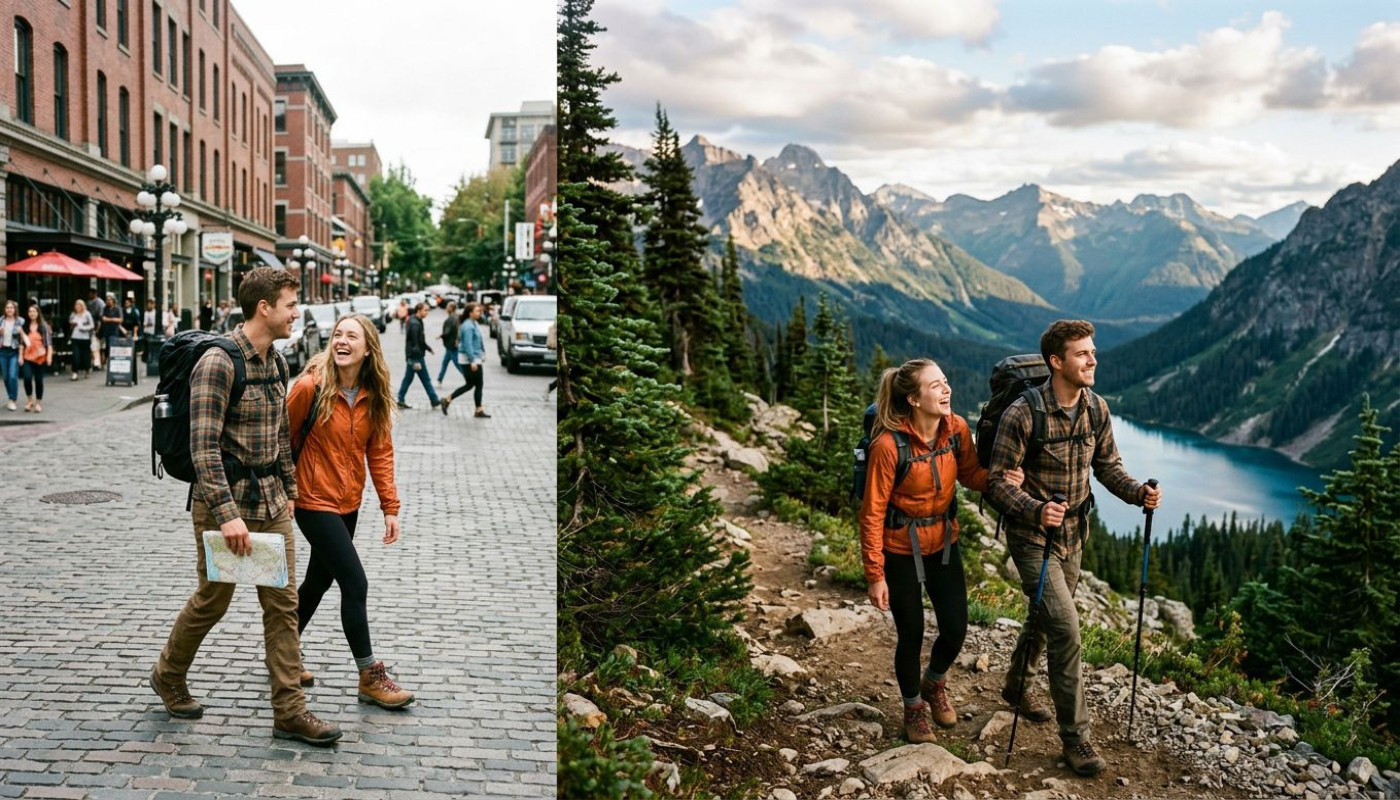
Can a weekend in a crowded city feel transformative? It can, when a city escape stops being a checklist and becomes participation, because the modern city break is increasingly built around doing, not just seeing. Museums and landmarks still matter, and many cities have invested heavily in them, yet travellers are now looking for entry points into local life: street-food tours run by residents, neighbourhood walks that explain how communities actually live, small-group workshops with artisans, and live events that cannot be replicated in a guidebook photo. The result is a different kind of memory, less about the postcard angle and more about the sensation of being inside the place.
Data from major attractions supports the idea that cities compete on experience design, not only on heritage. London’s British Museum attracted around 5.8 million visits in 2023, and Paris’s Louvre welcomed about 8.9 million visitors the same year, according to the museums’ published figures; those headline numbers tell you demand is back, yet they also reveal the challenge, because mass visitation can dilute the experience if the city offers nothing beyond the “must-see.” That is why cities increasingly promote timed-entry strategies, night openings, festival programming, and guided formats that add narrative and reduce crowd stress, and why travellers increasingly pay for a guide, a class, or a curated route rather than relying on free wandering.
Food has become one of the most powerful city-break activities, because it compresses culture into a few hours, and it is social by default. Cooking classes, market tours, and chef-led tastings have expanded across Europe, Asia, and the Americas, and they have also become easier to book in advance, which matters for short trips. The same applies to sport and entertainment: seeing a football match, a Broadway show, or a local concert can become the anchor event around which everything else is scheduled, and that anchoring effect shapes not only the itinerary but also the neighbourhood choices, the dining reservations, and even the travel dates.
Wild adventures turn landscapes into stories
Want the trip to feel bigger than you? Nature-based activities do that almost instantly, and this is where “wild adventures” have become a defining counterpoint to city escapes, not as an alternative but as a complement. Demand for national parks, multi-day hikes, wildlife encounters, and guided outdoor trips has surged as travellers seek open space, physical challenge, and the kind of quiet that is hard to find in daily life, and the appeal cuts across ages, with soft-adventure products bringing in people who do not identify as “outdoorsy” but still want a controlled, safe taste of the wild.
The numbers show how dominant nature travel has become in certain markets. In the United States, the National Park Service reported around 325.5 million recreation visits in 2023, a scale that underscores both popularity and pressure on ecosystems, and it is not a uniquely American story. Countries with strong outdoor brands, including New Zealand, Canada, Iceland, and Norway, have built significant tourism value around guided access to landscapes, and that is precisely where activities shape the emotional arc of the trip: the boat ride before the hike, the safety briefing, the moment the weather changes, the guide explaining why a valley looks the way it does, and the shared fatigue that makes the final view feel earned.
New Zealand offers a particularly clear case of how activities define a destination narrative, because the country’s appeal is inseparable from what you can do there, from multi-day Great Walks and geothermal experiences to kayaking, whale watching, and stargazing in dark-sky areas. For travellers trying to understand what is realistically possible within distances, seasons, and safety constraints, planning often starts with the activity wish list, then expands into logistics, and those looking for practical inspiration, route ideas, and activity-led travel guidance can visit this site to explore options. In a place where weather, daylight, and terrain can reshape a day in minutes, good information is not a luxury; it is a risk-management tool, and it is also the difference between a rushed tick-box tour and a trip with breathing space.
Better planning makes memories, not stress
Book the thrill, and protect the rest. That is the new rule of experience-led travel, because the more an itinerary depends on activities, the more it depends on timing, availability, and conditions, and the more important it becomes to plan like a journalist, verifying details rather than trusting assumptions. For city activities, that means checking timed-entry policies, last admission hours, local holidays, and transport disruptions, and it also means looking at what is realistically walkable, because a packed schedule can turn a dream weekend into a sprint. For outdoor activities, it means understanding seasonal closures, safety requirements, and what “moderate” actually means on the ground, and it means building a buffer for weather, because nature does not negotiate.
There is also a budget lesson hidden in the rise of activities: travellers can often control costs more effectively by choosing a smaller number of high-impact experiences and designing the rest of the trip around them. A single guided day, whether it is a city food tour or a backcountry excursion, can deliver the kind of depth that would otherwise require multiple paid entries and taxis, and it can reduce decision fatigue, because the plan is handled by professionals. At the same time, travellers should read cancellation policies carefully, especially for small operators who cannot absorb last-minute changes, and they should consider insurance when activities involve flights, long drives, or non-refundable bookings.
Finally, the most memorable trips usually share one unglamorous trait: they are paced. The activity is the headline, yet the memory is made in the margins, the coffee before the tour, the conversation with a guide, the slow walk back, and the unexpected detour you had time to take because you did not schedule every hour. Experience-led travel works best when it is treated as a narrative, with a strong opening scene, a high point, and a calm ending, and that is why activities shape unforgettable trips, not by filling the calendar, but by giving the journey a plot.
How to book smarter, spend better
Start with two or three priority activities, then reserve them early, especially in peak season and during school holidays, because limited-capacity tours and timed-entry venues sell out first. Set a clear activity budget, and keep 10% to 15% aside for spontaneity, local tips, and weather-driven changes, because flexibility often buys the best moments.
Check whether you qualify for local discounts, city passes, or youth rates, and compare them with standalone tickets to avoid paying for access you will not use. If an activity depends on weather or safety calls, choose providers with transparent policies, and confirm meeting points and transport the day before.
Similar