Table of contents
Spontaneity is having a moment, and not just on social media. After years of over-scheduled lives, algorithm-driven recommendations, and “optimized” weekends, more travelers and city-dwellers are rediscovering a simple thrill: doing something because it feels right, not because it was booked three months ago. The shift is visible in last-minute bookings, flexible work patterns, and a growing appetite for local, low-friction experiences that leave room for surprise, and often, for better stories.
Why our calendars suddenly feel exhausting
When every hour has a purpose, leisure starts to look like work. The modern calendar is not merely a neutral tool; it is a map of obligations that expands to fill the space available, and the more “free time” people gain, the more they try to structure it into productivity. The result is familiar: decision fatigue by Friday, and weekends that end with the uneasy sense of having completed tasks rather than lived experiences.
Data helps explain the mood. In the United States, the Bureau of Labor Statistics’ American Time Use Survey has repeatedly shown that leisure time is real, but it is fragmented, and often competed away by screen-based activities and household demands. Meanwhile, the rise of hybrid work has blurred boundaries further, because flexibility can mean freedom, but it can also mean that everything becomes schedulable. Add the constant mental overhead of planning, comparing, and coordinating, and it is no surprise that many people are now seeking something that feels lighter: less itinerary, more instinct.
This is not a call to abandon planning altogether. It is a recognition that over-planning carries hidden costs, and one of them is that it narrows the field of possibilities. When you pre-select every restaurant and pre-book every museum slot, you also pre-eliminate detours, conversations, and small decisions that can change a day’s texture. Spontaneous activity, done well, is not chaos; it is an intentional reduction of friction, a way to protect a slice of time for the unanticipated.
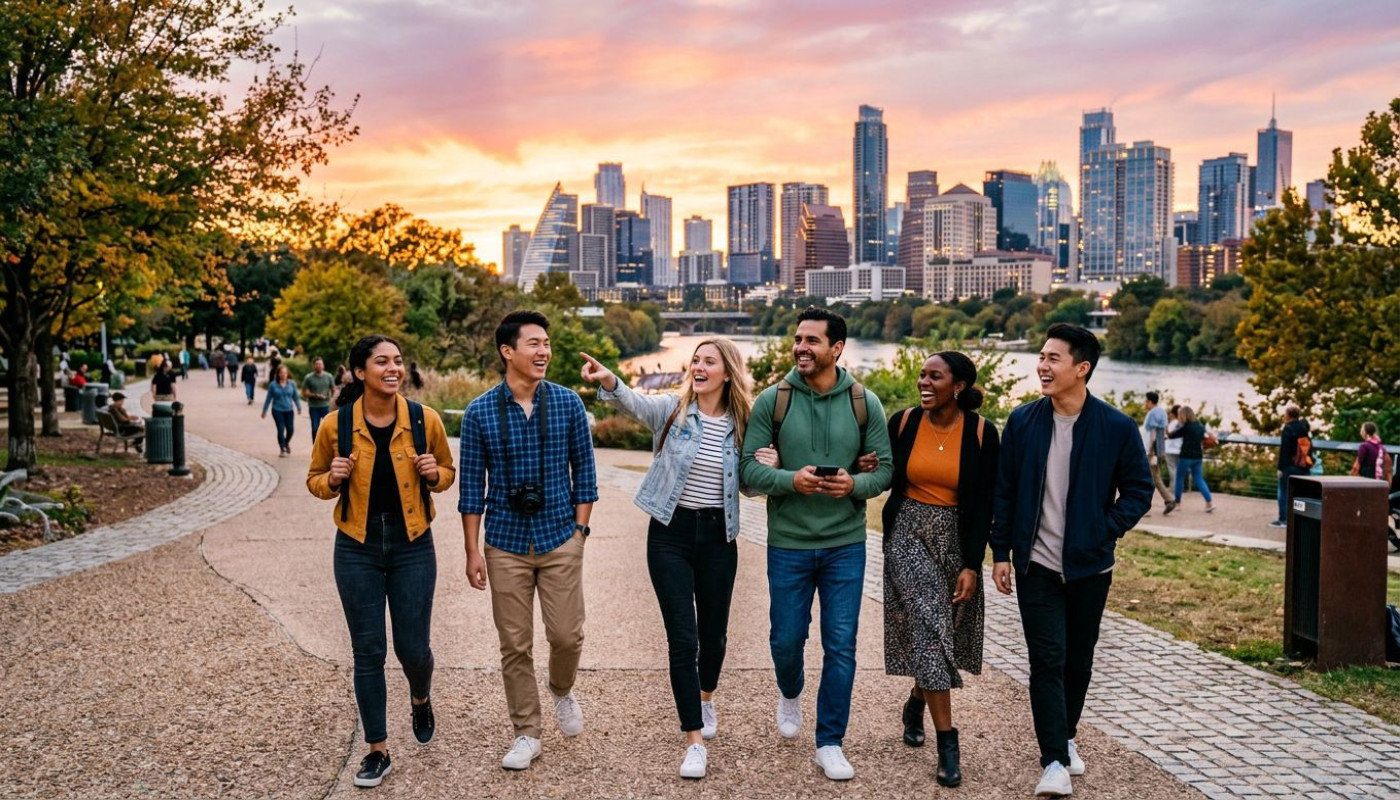
There is also a social dimension. Over-scheduled routines often leave little room for the kind of easy, low-stakes invitations that strengthen relationships, the “Want to walk by the river?” messages that arrive an hour before sunset. When everyone needs two weeks of notice, plans become rarer, and gatherings become heavier. Spontaneity, by contrast, thrives on proximity and simplicity, and it has a way of making cities feel smaller, friendlier, more available.
The quiet science of “unplanned” fun
Can spontaneity be designed? Paradoxically, yes. Behavioral research has long suggested that the way choices are presented affects whether people act at all. Too many options can lead to paralysis, and that is as true for leisure as it is for shopping. The point is not that choice is bad, but that the mental load of maximizing every decision can drain the pleasure from the activity itself.
This is where “planning less” becomes practical, because it does not mean refusing structure, it means choosing the right kind of structure. A simple rule like “one anchor activity, everything else optional” can transform a day, and it still leaves space for a friend’s suggestion, a weather change, or a neighborhood you had not meant to explore. Likewise, building routines that support spontaneity, keeping a short list of go-to places, a mental map of nearby parks, an idea of what events tend to happen in your area, reduces the need for frantic last-minute research.
Travel trends point in the same direction. Even as long-haul tourism has rebounded in many markets, the appeal of micro-adventures has remained strong: short, local experiences that do not require complex logistics. The advantage is obvious: lower cost, lower commitment, and fewer failure points. If the day does not unfold perfectly, it is easier to pivot, and if it does, it can feel like you “stole” an extraordinary moment from an ordinary week.
Technology, often blamed for over-planning, can also help reclaim spontaneity, but only when used with restraint. Instead of treating apps as full itinerary managers, some people use them as “discovery” tools: check what is nearby, see what is open now, confirm basic information, and then stop scrolling. The difference is subtle but crucial, because it prevents the spiral of comparison that turns a simple choice into a referendum on identity. Spontaneity works best when you decide, go, and let the experience be the point.
One city, a hundred detours: make room for it
What does spontaneous activity look like in practice? It often begins with permission. Permission to leave gaps, to say yes quickly, and to accept that not every outing must be “worth it” in a measurable way. Cities are built for serendipity, but only if you allow yourself to move through them without a checklist. That might mean stepping into a venue because music leaks onto the street, or trying a menu item you did not research first, or choosing the longer route home because the light looks good.
Yet the best detours are not purely random; they are enabled by a sense of local literacy. Knowing which neighborhoods stay lively on a weeknight, which seasonal festivals appear each year, where the waterfront paths are safest after dark, and which venues welcome walk-ins makes spontaneous decisions more confident. In many places, the difference between a great last-minute night and a frustrating one is not luck, it is access to reliable, up-to-date local information.
That is why curated, locality-first guides matter, especially when they prioritize experience over hype. If you are looking for ideas that let you keep plans light without sacrificing quality, a resource like https://www.quebec-spirit.com/ can be useful, because it helps translate a destination into a set of concrete possibilities without forcing you into a rigid itinerary. The goal is not to replicate someone else’s perfect day, but to see what is plausible in the moment, and then choose based on your mood, the weather, and the people you are with.
Spontaneity also benefits from designing “low-stakes exits.” If you meet friends somewhere new, choose a place that has nearby alternatives, a café, a bar, a scenic walk, so that if the first stop does not fit, the night can evolve rather than end. Think of it as building optionality into the environment. The same logic applies to daytime activities: a museum visit can become a park picnic, a market trip can become a cooking plan, and a casual walk can become a neighborhood discovery loop, as long as you are not locked into the next reservation.
And there is a deeper payoff. Unplanned moments tend to be remembered not because they were flawless, but because they felt alive. A missed turn that leads to a surprising view, a conversation with a stranger, a small live show you did not expect, these are the fragments that make a place feel personal. In an era when many experiences are pre-packaged and optimized for sharing, spontaneity can be a quiet form of rebellion: you are there for yourself, and for the people with you.
How to plan less without wasting time
Is spontaneity just for people with money and free evenings? Not necessarily. In fact, the most effective form of spontaneous activity is often budget-friendly, because it relies on proximity and simplicity. The trick is to be strategic about what you pre-decide, and what you intentionally leave open. Decide the constraints, not the script: your maximum spend, your time window, your transportation limit, and one non-negotiable preference, for example “outdoors,” “live music,” or “quiet conversation.” Then let the rest unfold.
A useful approach is the “three-option rule.” Before you head out, identify three viable choices that match your constraints, and stop there. If option one is crowded, pivot to option two; if the weather shifts, pick option three. This keeps you from doom-scrolling for the perfect plan, and it prevents the common failure mode of spontaneity: wandering too long, getting hungry, and settling for whatever is closest. Spontaneity should feel freeing, not inefficient.
Transportation is another lever. If you want unplanned activity to be easy, reduce the effort of getting started. That can mean choosing walkable districts, using public transit lines you already know, or planning around bike-friendly routes. The lower the activation energy, the more likely you are to act on a sudden idea, and the more often a week will contain small adventures rather than only one “big” outing.
Finally, consider the social mechanics. Spontaneous plans die when coordination becomes complex, so keep invitations simple and specific. Instead of “We should do something,” try “I’m heading to this area around 7, join for a drink or a walk.” It signals flexibility while creating a clear point of entry. And if you are hosting visitors, resist the temptation to fill every hour; build in empty space, because guests often remember the relaxed moments, the ones where they felt they were seeing your life, not just your city.
Making it real this week
Set a budget, pick a neighborhood, and leave one evening unbooked. Check opening hours, keep transport simple, and choose one anchor activity, then let the rest be optional. If you are traveling, look for flexible passes or free events, and book only what truly sells out.
Similar