Table of contents
Everyone has a bucket list, and in the age of cheap flights and viral itineraries, those dream trips can feel closer than ever, yet many travelers still land in a country with only a vague plan and a few saved posts. The gap between fantasy and a satisfying reality often comes down to what happens locally: who you meet, how you move, what you taste, and what you understand. Turning big aspirations into grounded experiences is now a central travel challenge, and it is reshaping how people build their days on the road.
When “must-see” meets real-life logistics
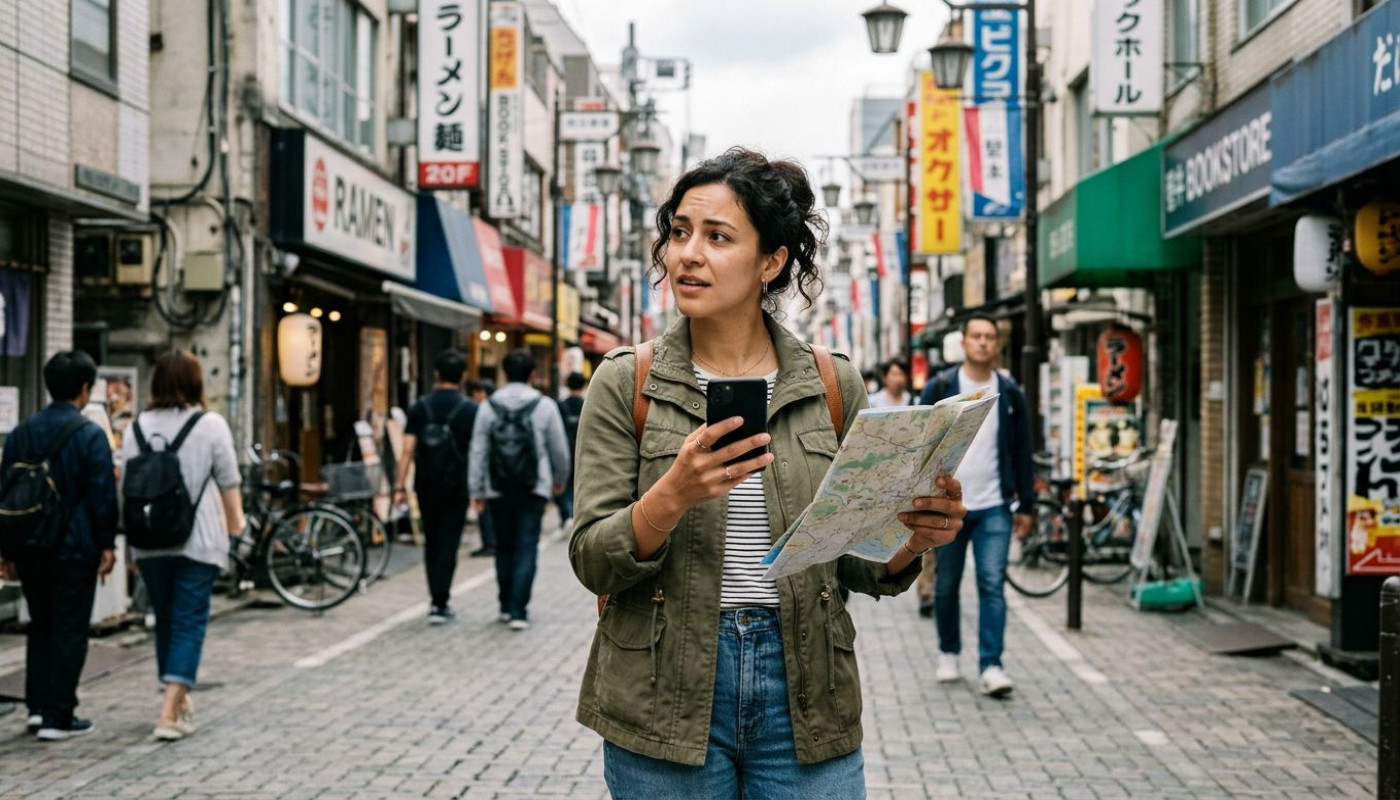
It starts with a familiar pattern: the headline sights are chosen before the plane ticket, and the rest is left to “we’ll figure it out.” But once on the ground, the friction appears, and it is rarely glamorous. Timetables do not match your arrival time, distances are longer than they looked on a map, and the most photographed viewpoint is suddenly a crowded bottleneck. Even in countries with mature tourism infrastructure, local transportation can be an unpredictable mix of reliable intercity links and improvised last-mile solutions, and travelers quickly learn that a plan built on aspiration alone rarely survives contact with reality.
Industry data helps explain why this mismatch is so common. In its latest annual report, the UN World Tourism Organization noted that international tourism has broadly recovered toward pre-pandemic levels, with destinations seeing renewed pressure on transport hubs and high-demand attractions, and that rebound has amplified competition for the same “iconic” moments. At the same time, the way people plan has changed: social platforms have accelerated the rise of checklist travel, while the economics of travel have made flexibility feel costly. A missed connection is not just inconvenient; it can erase a day you paid for, and that is why local activities, guides, and structured day trips have become more than optional extras, they are increasingly the difference between a stressful scramble and a coherent journey.
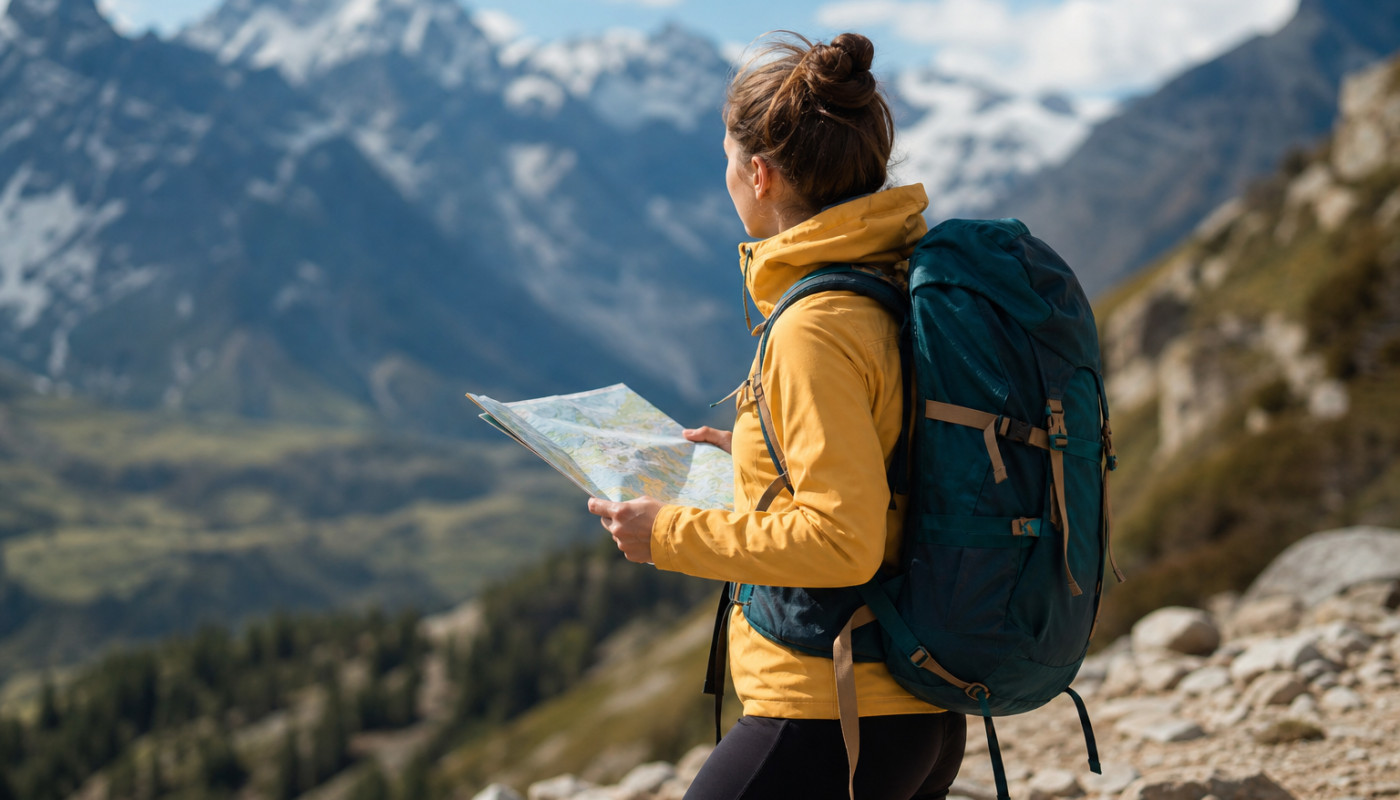
This is where the bucket list quietly evolves. The dream is often visual, a desert sunset, a mountain road, a medina at dusk, but the execution is operational. How early do you leave to avoid heat and traffic? Which route is actually open this week? What should you wear in a sacred space, and what is a fair price for a taxi at night? The more a destination involves varied terrain, regional cultures, and long travel times, the more valuable it becomes to translate “I want to see it” into “Here is how to do it safely and well,” and that translation is what turns an abstract wish into a day-by-day plan that still feels spontaneous.
The new travel currency: time, not photos
Ask returning travelers what they regret, and the answer is often not “I didn’t see enough,” but “I wasted too much time.” The hours lost to unclear meeting points, over-ambitious day schedules, or transport misunderstandings can quietly dominate a trip. Time has become the scarce resource, especially as short breaks remain the norm: many leisure travelers are working with five to ten days, and the margin for error is thin. In that context, local activities are not simply entertainment, they are time management, and the best ones are designed to remove friction without removing authenticity.
There is also a broader shift in what people consider valuable. Tourism economists have long tracked the difference between “arrivals” and “spend,” but in practical terms, travelers increasingly measure value by the density of meaningful moments rather than the count of landmarks. That is one reason experiences, from food walks to craft workshops to guided hikes, continue to grow as a share of travel planning conversations. Platforms that sell activities have multiplied, yet travelers still face a paradox: more choice, less clarity. Reviews help, but they rarely answer the questions that matter most, such as how physically demanding an activity is, whether it fits a family with children, or how it changes across seasons.
Well-built local programming addresses those blind spots. A good day trip is not a random sequence of stops; it has a rhythm, a realistic pace, and a clear understanding of what travelers actually want to feel by the end of the day, whether it is calm, awe, connection, or the simple satisfaction of having learned something. It also respects local realities: prayer times, market days, weather windows, and road conditions. In destinations where regional differences are strong, that local calibration becomes essential, because a plan that works in one city can fail completely in another, and the difference is often invisible to first-time visitors.
For travelers trying to bridge the gap between big dreams and practical days, the question is increasingly straightforward: do you want to spend your limited time negotiating logistics, or spending it inside the experience? Many still prefer to self-organize, and that can be rewarding, but for complex routes or first visits, structured local activities can be the most efficient way to protect the one resource you cannot buy more of once the trip begins.
Local experiences: the fastest path to meaning
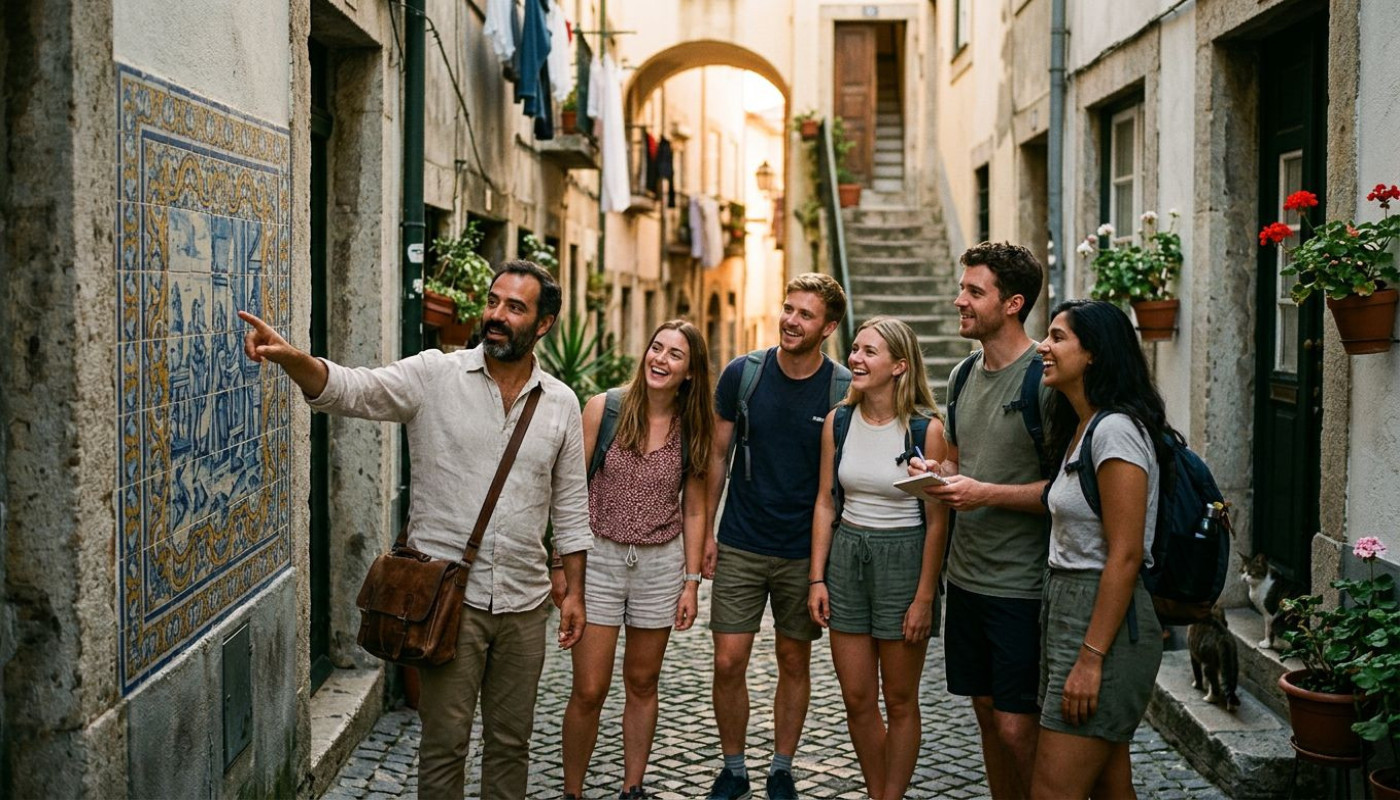
It is easy to dismiss guided experiences as “touristy,” yet some of the most intimate travel moments happen precisely because someone local opens a door you did not know existed. A home-cooked meal in a neighborhood you would not reach alone, a small museum explained by someone who knows the families behind the objects, a hike where the guide points out plants and stories rather than just a trail. These experiences are not just add-ons; they can become the narrative thread of a trip, the thing you remember years later when the famous viewpoint has blurred into a familiar image.
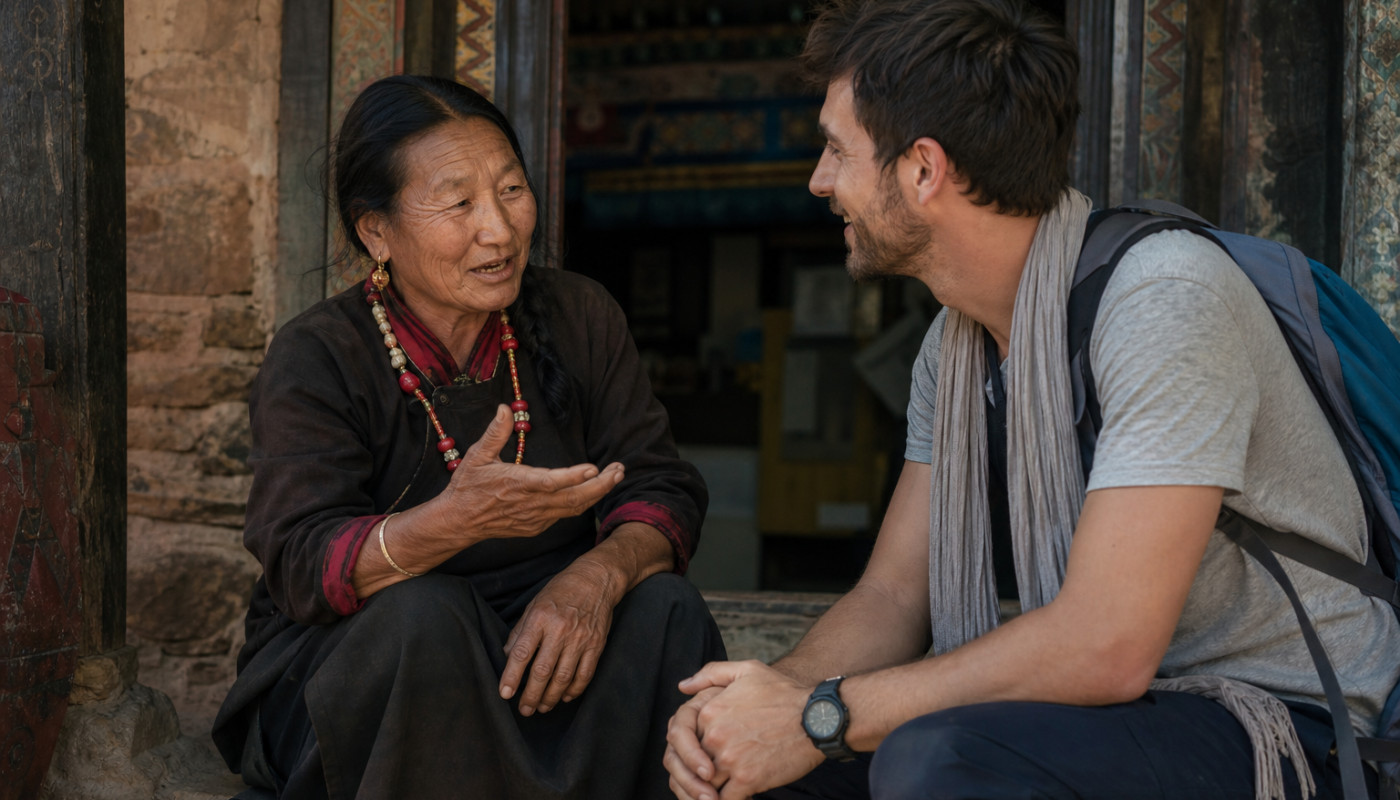
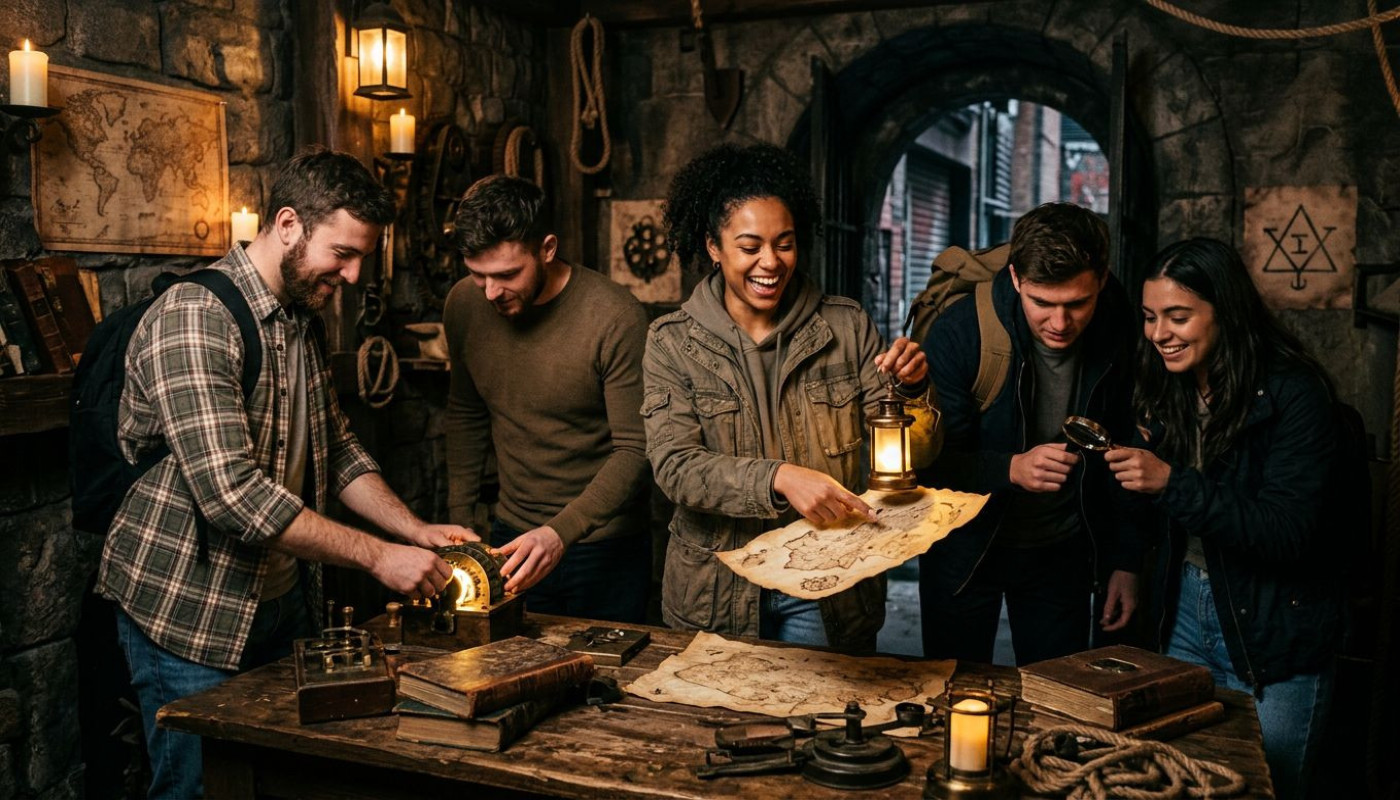
There is also a social dimension that has grown more important. Solo travel and small-group travel have both expanded over the past decade, and with that has come a desire for low-pressure connection. Local activities can provide it naturally: you share a table, a van ride, a short challenge, and conversation follows. That matters in destinations where language differences can otherwise create distance, and where cultural codes are easier to read with a bit of context. The best guides do not “perform” a country; they translate it, and they give travelers the confidence to engage respectfully, whether that means how to greet, how to dress, or how to ask for permission before taking a photo.
In Morocco, for example, the distance between the dream and the reality can be large in the best possible way, because the country’s variety is dramatic: Atlantic and Mediterranean coasts, imperial cities, the Atlas ranges, and the Sahara’s edge. That variety is exactly what draws people in, and it is also what makes planning consequential. A desert overnight is not the same product in summer as in winter, and a mountain road that is scenic one month can be difficult the next after weather events. Travelers who want to move beyond the headline images often benefit from local operators who understand routes, seasons, and pacing, and who can propose alternatives when conditions change. To explore options and compare what fits your timeframe, you can find out what kinds of local activities and itineraries are available, and then build a trip that matches both the dream and the days you actually have.
Meaning, of course, is not only about access, it is about attention. Local experiences slow you down in productive ways: you stay longer in one place, you learn a few words, you hear why a neighborhood looks the way it does. In a travel culture that often rewards speed, these moments reintroduce depth, and they tend to be the antidote to the post-trip feeling that you saw everything and understood nothing.
Planning smarter without losing spontaneity
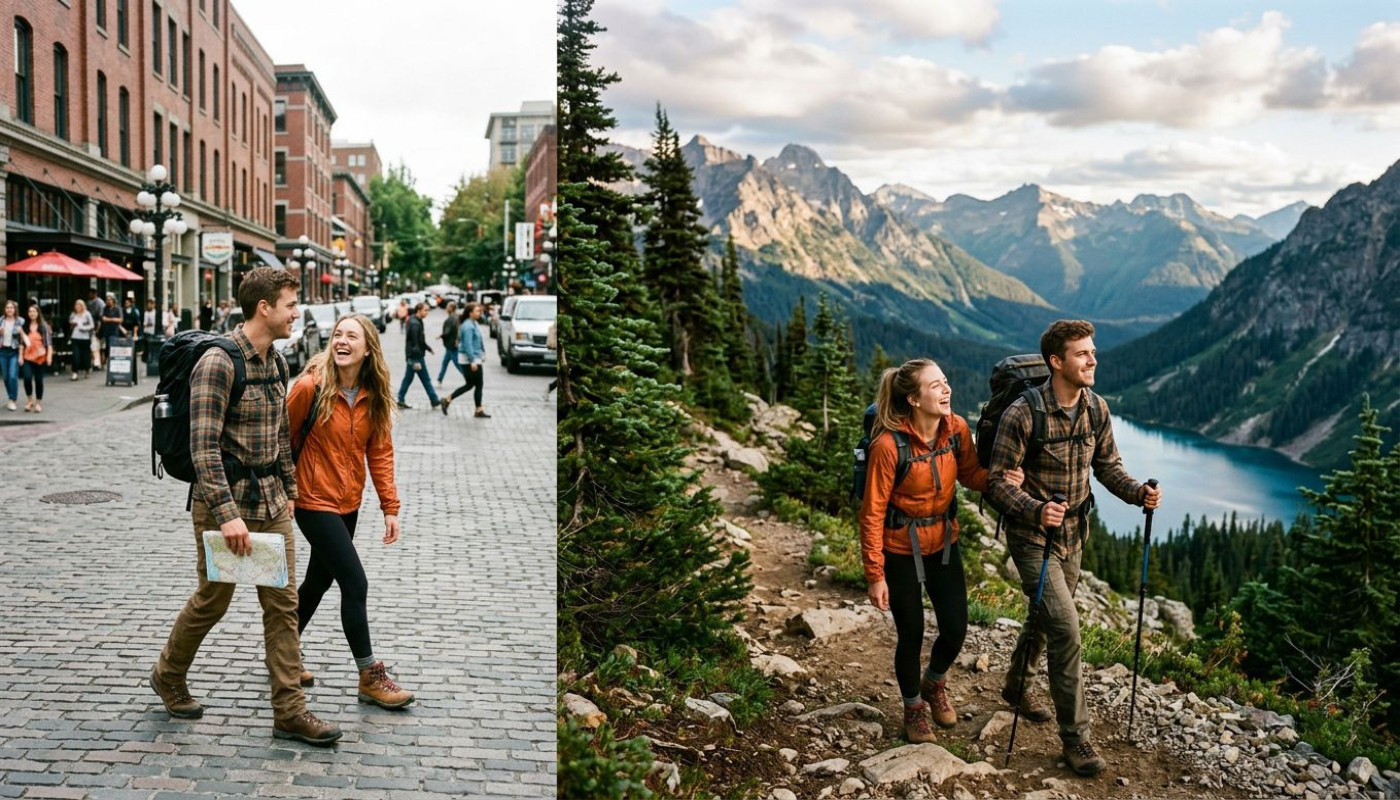
Spontaneity remains one of travel’s great pleasures, and many people fear that pre-booking activities will turn a trip into a schedule. The reality is more nuanced, and it depends on what you lock in. The most effective approach is usually a hybrid: secure the elements that are high-risk for failure, long-distance transport days, desert overnights, limited-capacity sites, and leave breathing room around them. That structure creates freedom, because you are not improvising under pressure, and you can still wander, linger, and change your mind on low-stakes afternoons.
Practical planning starts with a clear-eyed inventory of constraints. How many travel days do you truly have once you subtract arrival fatigue and departure logistics? Are you traveling with children, or with someone who needs slower pacing? What time of year are you going, and what does that mean for daylight hours and heat? In hot months, early starts are not a personality trait; they are comfort and safety. In shoulder seasons, the same route can feel effortless, and that seasonal difference should shape which experiences you choose. Travelers often underestimate transit times as well; mapping apps can be optimistic, and they do not always reflect stops, traffic, or the reality of rural roads.
Budget planning is another place where dreams can collide with reality. The headline cost of a trip is usually flight and accommodation, yet the “third budget” is what happens daily: drivers, entrance fees, tips, snacks, extra water, and last-minute taxis when you are tired. In many destinations, a well-priced day trip can actually stabilize spending, because you know upfront what is included, and you avoid the drip of small but constant add-ons. That said, travelers should read inclusions carefully, confirm whether meals and entrance tickets are covered, and ask about group size, because the quality of an activity often depends less on the route than on how crowded it feels and how much time you get at each stop.
Finally, there is the question of ethics and impact. Travelers are paying more attention to how money moves locally, whether guides are properly compensated, whether animals are involved responsibly, and whether experiences respect communities. Asking direct questions is not impolite; it is responsible. A serious operator should be able to explain safety standards, licensing where applicable, cancellation policies, and what happens in bad weather. The goal is not to eliminate uncertainty; travel will always contain surprises. The goal is to prevent avoidable problems, so that the surprises you get are the good kind.
Your next steps before you book
Reserve the activities that can sell out, and keep the rest flexible. Set a realistic daily budget, including transport and tipping, and ask what is included before paying. Check whether local or national schemes support tourism-related services, and if you are eligible for any travel insurance benefits or card protections that cover cancellations and delays.
Similar